Introduction
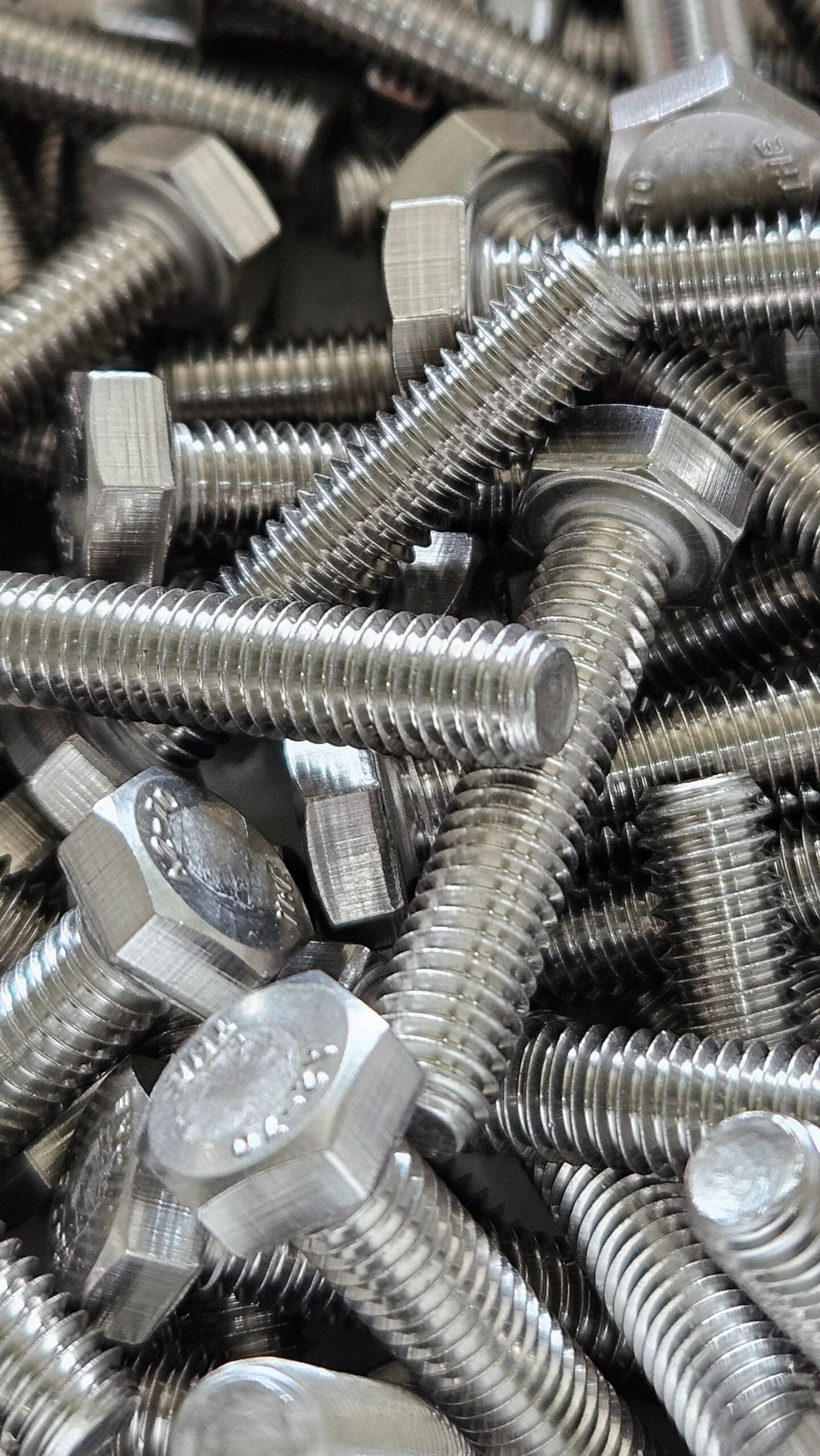
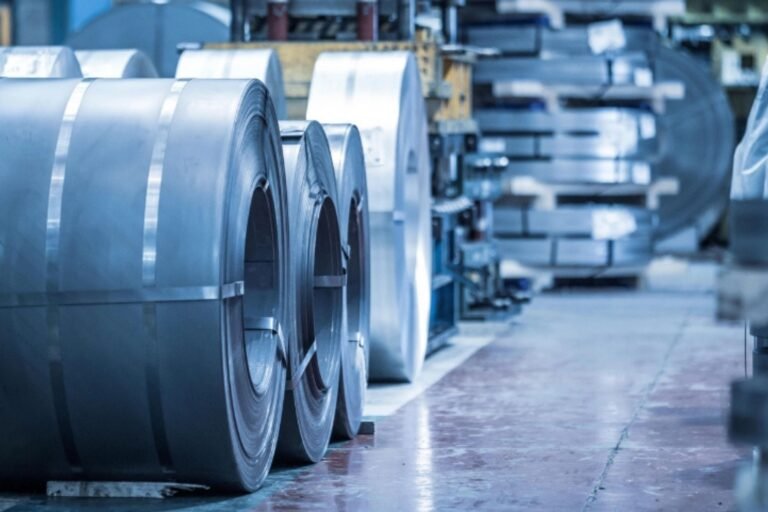
From massive industrial infrastructure to everyday household utensils, Stainless Steel is one of the most versatile and indispensable materials engineered by modern metallurgy. But what exactly makes this steel “stainless”? Understanding its composition, structural grades, and mechanical benefits is essential for any engineering or procurement operation.
The Science Behind Stainless Steel
At its core, stainless steel is an iron alloy with a minimum Chromium content of 10.5%. This specific percentage of Chromium is the secret to its stain-resistant nature.
When exposed to oxygen, Chromium forms an ultra-thin, invisible, and self-healing layer of chromium oxide on the surface of the metal. This is known as the passive layer. Unlike ordinary carbon steel, which oxidizes to form flaky, destructive rust, the passive layer prevents oxygen from reaching the underlying steel structure, halting deep corrosion completely.
The Major Families of Stainless Steel
Depending on the internal crystalline structure and added elements (like Nickel, Molybdenum, and Manganese), stainless steel is categorized into distinct families:
- Austenitic Steel: The most common group (e.g., 300 series). Highly corrosion-resistant, non-magnetic when annealed, and exceptionally formable.
- Ferritic Steel: Contains lower nickel content (e.g., 400 series). It is magnetic and offers good ductility, often used in automotive exhaust systems.
- Martensitic Steel: High-carbon steel that can be hardened by heat treatment. Highly durable but less corrosion-resistant, ideal for cutlery and aerospace components.
- Duplex Steel: A hybrid microstructure of austenitic and ferritic steels, providing double the strength and elite resistance to stress corrosion cracking.
Key Industrial Benefits
- Corrosion Resistance: Maintains structural integrity in aggressive environments.
- Temperature Tolerance: Retains mechanical properties under both extreme cryogenic cold and high-heat furnace environments.
- Hygiene and Cleanliness: Its non-porous surface makes it the standard for medical, pharmaceutical, and food-grade industries.
- Sustainability: It is 100% recyclable, ensuring a circular economy footprint.
Conclusion
Stainless steel is not just a single metal, but an expansive family of high-performance alloys designed to overcome the limitations of traditional iron. Selecting the correct grade ensures maximum operational lifespan and reliable material safety.
Need Technical Assistance?
Contact OM Export India for material selection,
export documentation, technical consultation,
pricing support and bulk quantity requirements.
-
Material Selection Support
-
Technical Consultation
-
Export Documentation
-
Bulk Quantity Supply
Request A Quote